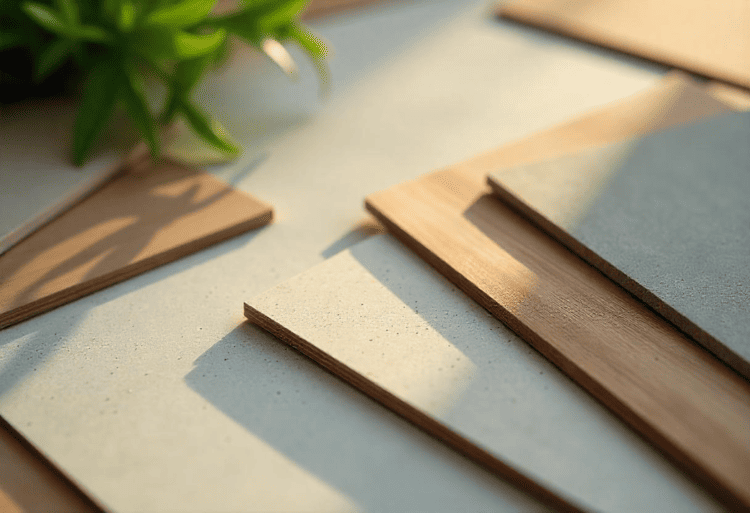
Best Tile Choices for Small Spaces: What Works in Singapore Homes

Small Space, Big Style

Let’s be real—living in Singapore means you learn to live with less space. We make do with what we have, right? Whether it’s a 4-room BTO in Tengah or a studio condo near Redhill, small space is the name of the game. But here’s where things get interesting. You can’t change your floor plan, but you can change how your space feels. And one of the easiest ways to do that? Your choice of tiles.

Don’t Just Go White. Go Warm Light.

We always hear that light colors make a room feel bigger. Indeed it’s true. But in Singapore, pure white can look too harsh—especially under our afternoon sun or LED lights.

What works better? Off-white, light beige, even a dusty taupe. These colors reflect light, but they don’t glare. Especially in bathrooms and kitchens, that softer tone makes a big difference. Some homeowners are going for light marble textures—not the super shiny kind, but the ones with soft veins. It adds that atas feel, but still calm and clean. You can find these at Polybuilding—their range includes a lot of natural-looking tones that feel right at home here.

Big Tiles, Small Space? Actually, Yes.

You’d think big tiles don’t make sense in small flats. But here’s the trick—less grout means fewer lines, and that makes the floor feel more seamless.

A 60×60 cm tile can make your living room flow better. If your tiler can handle it, 60×120 cm works even better for open kitchen layouts. Just make sure the floor is level, or the lippage (that uneven edge thing) will spoil the look.

Also, use the same tile across different zones if possible. Living, dining, even kitchen—no need to chop things up unless you really want to.

Vertical Layouts = Taller Feel

Ceiling a bit low? Vertical lines help. Lay your wall tiles upright instead of sideways. This draws the eyes upwards and makes your walls look taller.

This trick works especially well in toilets. Try vertical subway tiles or slim stone strips. You don’t need to go full feature wall—just that little adjustment makes a difference.

Some designers are also using fluted tiles as bathroom accents. Not cheap, but shiok when done right.

Want Warmth? Wood-Look Tiles Are Your Friend
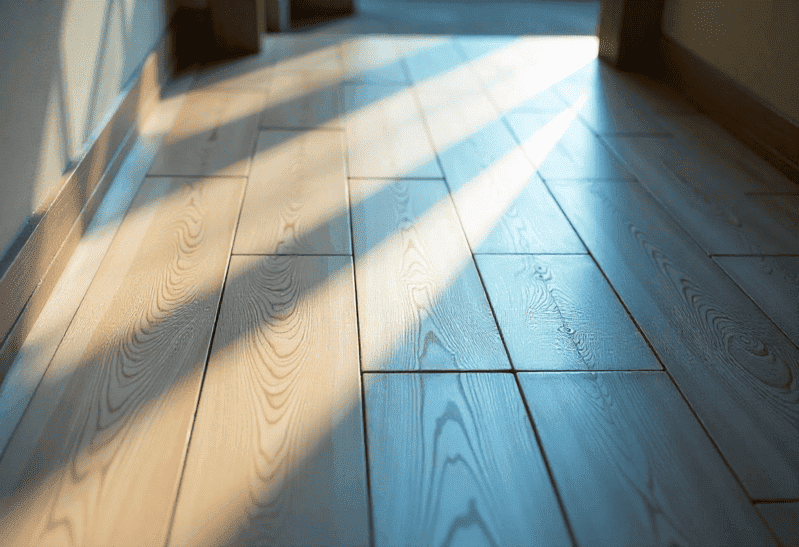
Timber flooring looks nice but is not always practical. With our weather—rain, sun, then rain again—maintenance can be a pain.

Wood-look tiles solve that. You get the look without the worry. Even for small bedrooms or hallways, they add a soft, warm touch. Choose mid-tone browns, not too dark—keeps the space from feeling heavy.

Some people even lay them in a herringbone pattern for that boutique hotel vibe.

Same-Same, Not Boring

Don’t go crazy with five different tiles in one house. Especially in a small unit, too many styles can feel messy.

Instead, pick a base tile and stick to it across zones. You can switch it up slightly—matte for floors, glossy for walls—but keep the color tone consistent.

That harmony makes the home feel bigger, calmer, and more cohesive.

Pattern Tiles: Use Sparingly, Like Sambal

Patterned tiles are like sambal—just enough can really bring the dish (or space) to life. Too much, and your mouth (or eyes) cannot tahan.

Use them as accents:

  • A backsplash
  • Toilet niche
  • Entryway corner

Terrazzo and Peranakan patterns are still popular here. Just don’t go full wall unless you really want a statement look.

Don’t Forget About Safety, Especially for Family Homes

If you’ve got small kids or elderly folks at home, this part’s important. Anti-slip tiles are not just for bathrooms. Think service yards, balconies, even kitchen floors. Look for tiles with an R10 rating or higher. Textured but still nice to walk on. At Polybuilding, the staff can guide you on which ones work best depending on the area and foot traffic.

Glossy Tiles Brighten Up, But Be Careful Where
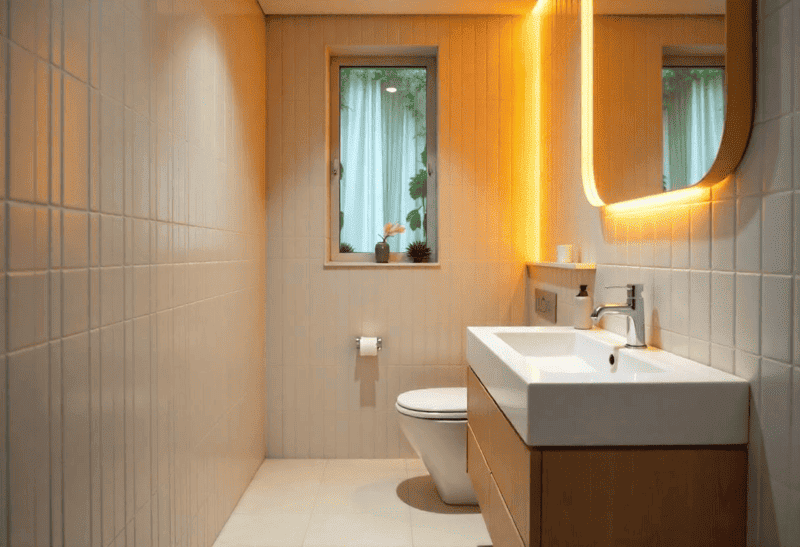
Glossy finishes are great on walls. They reflect light, so small spaces don’t feel so boxed in. Kitchen backsplashes, bathroom walls—this is where glossy tiles shine (literally).

But for floors? Better stick to matte or satin finishes. Especially in toilets and wet kitchens. The last thing you want is to slip in the middle of the night.

Some matte tiles now have a very subtle sheen—the best of both worlds, honestly. And they hide footprints better too. Important if your house has kids or just… a lot of traffic.

Before You Buy, Go See In Person

Photos are one thing. But tiles look different in real life—especially under different lights. Some might look warm online but turn greyish in your living room.

Take home samples. Put them next to your wall paint or cabinets. Step on them, touch them. See how they look at 8am in the sun and at 10pm under warm lights.

Don’t rush. Renovation is expensive. Tiles are not easy to change once done.

Wrapping Up

Small homes in Singapore don’t have to feel cramped. With the right tiles—in the right colors, size, and finish—you can totally transform your space.

Focus on consistency, subtle textures, and long-term practicality. You’ll be surprised how much of a difference it makes. Not just for looks, but how you feel in the space every day. If you’re unsure where to start, just head over to Polybuilding—their team really knows their stuff, and you can see (and touch) everything before making any big decisions.

A Guide to Matching Tiles With Wood, Stone, and Other Natural Elements

Keep It Natural, Not Messy

So you’re renovating. Maybe it’s your first home, maybe you’re giving the old place a facelift. Either way, at some point you’ll hit this common headache: how to mix tiles with wood, stone, and all those natural finishes you love.

You walk through showrooms, scroll Pinterest, flip through renovation forums. But still… you squint at the samples and ask yourself: “Does this go with that?”

We get it. In Singapore, where homes are compact and humid, and every square foot counts, mixing materials isn’t just about looks. It’s about making sure everything feels cohesive — and tahan.

Here’s a local, no-fluff guide to getting your tile-and-natural-material combo right.

Don’t Try Too Hard to “Match”

First thing first — forget the idea that everything needs to “match”. If you’ve got timber floors, you don’t need your wall tiles to be the exact same brown. In fact, that can make things look a bit… flat. Too uniform.

Instead, go for complement, not copy.

For example:

  • Light oak flooring? Try warm-grey or sand-coloured tiles to bring out contrast.
  • Dark walnut cabinets? Balance with cream or off-white tiles to lighten the space.

In Singapore flats where natural light isn’t always the best, this kind of contrast adds depth. Makes the space feel more layered.

Textures Are Your Best Friend

One thing many people overlook: texture.

Here in Singapore, with our heat and humidity, you don’t just want things to look nice — you want them to feel right. Smooth-on-smooth surfaces can look sterile, especially under our warm lights.

So think about mixing things up:

  • Got matte timber panels? Pair with slightly glossy tiles for contrast.
  • Stone-look tiles with a bit of grit? Balance with smooth laminate or woodgrain.

And if you’re doing up a bathroom, especially in an HDB, textured tiles can help prevent slips too. Style plus safety — win-win.

Always Check the Undertones

Now this one catches a lot of people.

You think you’re buying a “neutral” tile, but under your actual home lighting, it starts looking oddly yellowish. Or pinkish. Or green.

That’s because of undertones — and in Singapore’s lighting (especially if you’re using warm LED bulbs), they really show up.

So when you’re mixing natural materials:

  • Wood with yellow undertones? Stick to tiles with warm, earthy bases — not blue-grey.
  • Marble with cool undertones? Avoid reddish or orangey timbers.

Bring samples home. View them in daylight and under your night lighting before you commit. Better to be extra fussy now than regret for the next 10 years.

Use Tiles to “Frame” Your Natural Elements

If you’re using a standout natural material — like a real wood dining table, stone feature wall, or even rattan doors — let it shine.

Your tiles shouldn’t compete. They should frame.

Think of it like this:

  • A bold stone vanity? Keep your wall tiles clean and simple.
  • Got a nice teak TV console? Use muted flooring tiles so the wood doesn’t get “lost”.

Too many competing textures or colours in a small Singaporean space = visual chaos. A bit of restraint goes a long way.

Indoor to Outdoor — Keep It Flowing

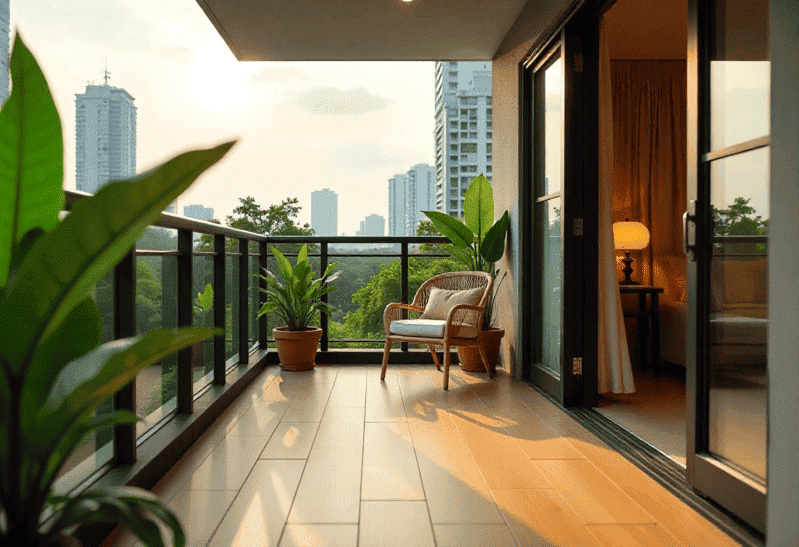
A lot of us love having that little balcony space, even if it’s tiny. If you’re lucky enough to have one, think about how your indoor flooring connects to the outdoor.

Use wood-look tiles inside and timber decking outside? Great. Make sure the tones are cousins, not strangers.

Even better — some tiles are rated for both indoor and outdoor use. That way, you can run the same tile from your living room out to your balcony, making everything feel more open.

Just make sure it’s slip-resistant. Balcony accidents aren’t fun, especially after rain.

Practical > Pretty (Sometimes)

Sure, we all want the showroom look. But be honest — are you going to mop every two days? Will your kids spill stuff? Do you cook often?

Real wood is gorgeous. But in a wet kitchen or bathroom? High maintenance. Natural stone is classy, but it can stain or etch if not sealed well.

If you love the look but not the upkeep, consider:

  • Wood-look porcelain tiles (they’ve come a long way!)
  • Marble-look or travertine-look tiles — easier to clean, just as elegant

Singapore homes are built for living, not just looking nice in photos. Don’t let high maintenance finishes stress you out.

Some Singapore-Specific Considerations

Just a few extra local notes worth mentioning:

  • Space is tight, so lighter tones can help open things up. But too much white can feel cold — mix in warm wood or stone accents.
  • Air-con and humidity can mess with some natural materials. Always check with your supplier about long-term performance.

Renovation permits: If you’re in an HDB, remember not all stone tiles are allowed on walls (because of weight). Always check the guidelines before buying.

Final Word: Don’t Be Afraid to Ask

At the end of the day, this is your space. Your home. No one else is going to live in it but you (and maybe your mother-in-law if you’re lucky).

So if you’re unsure about how to match things up — go to a proper tile supplier. Ask questions. Bring your samples. Look at them under proper lighting. And don’t be shy about mixing materials — just do it with intention.

If you’re still piecing things together or not quite sure what works with what, feel free to swing by our showroom or drop us a message. At Polybuilding, we’re always happy to chat, show you around, and help you find something that fits — no pressure, just good advice and plenty of samples to explore. Good design isn’t about following rules — it’s about creating a space that feels like you.

Natural Stone in HDB & Condo Renovations: A Good Choice?

Is Natural Stone a Solid Choice—or a Heavy Mistake?

Natural stone feels incredibly extravagant, looks gorgeous, and sounds fancy. You’ve seen it in boutique hotels, cafes, and showflats, and now you’re thinking if you should incorporate it into your own HDB or condo renovation.

The quick response? It varies. While there are benefits to natural stone, there are also certain things you should think carefully about before committing. Let’s analyze it.

What Exactly Is Natural Stone?

Let’s agree before discussing the advantages and disadvantages. “Natural stone” refers to a variety of materials. It consists of: 

  • Marble – timeless and refined
  • Granite – strong and long-lasting.
  • Limestone & Travertine – more textured and rustic
  • Slate – rugged and slip-resistant
  • Onyx – translucent and dramatic

The choice is more complicated than simply deciding, “Do I want stone or not?” because each of these stones has a unique personality.

Why Homeowners Love It

1. It Looks Gorgeous

Something is amazing about natural stone. Stone immediately improves a room, whether it’s a granite kitchen countertop or a marble feature wall. Because no two pieces are precisely the same, your house seems genuinely distinctive.

2. It’s Durable (Mostly)

Stone is tough, especially slate and granite. It can withstand normal wear and tear, and in certain situations, it even gets better with age. Stone surfaces that are properly sealed can endure for decades.

3. It Adds Property Value

In the long run, natural stone can be a wise investment. It adds a high-end finish to your house, which could increase its future selling value.

HDB Considerations: What You Need to Know

If you live in an HDB flat, there are some extra things to consider:

1. Weight Restrictions

Since HDB flats have load limits, natural stone is hefty. This implies that unless you choose thinner tiles or engineered substitutes like crushed marble or stone-look porcelain, you might not be able to use some stones for flooring or feature walls.

2. Wet Area Guidelines

Non-slip materials are frequently needed in kitchens and restrooms. Despite its stunning appearance, highly polished marble can be a trip hazard. For humid areas, you must choose textured or honed finishes.

3. Noise and Vibration

Heavy counters or thicker stone tiles may increase noise levels or have an adverse effect on the structural integrity of your apartment. If you share walls or floors with your neighbors or are on a higher floor, use caution.

Condo Renovations: More Flexibility, But Still Some Limits

Although you usually have a little more freedom with condos regarding design and materials, there are still a few things to look for:

  • Management Approval: Certain MCSTs (Management Corporation Strata Title) have favored contractors or particular rules.
  • Lift Access: If you want to move big stone slabs into your apartment, you may need to schedule a lift or, if the slab is too big, a temporary platform.
  • Noise Regulations: Stone installation and cutting can be noisy. Certain condos only permit remodeling to take place during specific hours.

So before you fall in love with a particular stone slab, make sure the logistics check out.

Where Natural Stone Works Best in Smaller Spaces

The good news is that you don’t have to cover your entire house in stone to appreciate its beauty if money or functionality are concerns. A few excellent use cases are as follows:

  • Granite or sealed marble countertops for the kitchen
  • Marble bathroom vanity tops that have been properly sealed
  • Accent walls in the foyer or living room
  • If load permits, flooring in arid spaces such as corridors or bedrooms
  • Balconies (slate or alternatives that don’t slip)

Stone can have the biggest impression in modest amounts without breaking the bank on your makeover.

Pro Tip: Consider Compressed or Engineered Stone

Compressed stone or manufactured quartz may be worth looking into if you like the appearance of stone but would want something more affordable and HDB-friendly. These materials have patterns that are more constant, are easier to maintain, and typically need fewer installation hassles than natural stone.

So… Is It a Good Choice?

In conclusion, natural stone might be a great option for your HDB or condo, but only if you approach it with an open mind.

Although it is elegant, classic, and long-lasting, it does have certain logistical issues, maintenance requirements, and financial implications. It might be the ideal fit for your house if you’re willing to put in some maintenance and appreciate the appearance of something genuinely unique.

Thinking of Natural Stone Flooring? 5 Key Things to Know

Hard Floors, Hard Truths: The Natural Stone Truth They Don’t Tell You

So you’re thinking about installing natural stone flooring in your house or place of business? Excellent decision! A space instantly gains character, charm, and timeless appeal from how a stone looks and feels. To ensure that you receive the desired outcome (and experience), it’s important to understand a few important factors before deciding on slabs and tile designs.

Shall we break it down together?

Before deciding on natural stone flooring, consider these five factors.

1. Not All Stones Are Created Equal

When people hear the term “natural stone,” they frequently assume it refers to a single broad category. Every kind of stone has unique qualities, perks, and quirks.

Several popular choices are:

  • Marble: luxurious and sophisticated, but prone to stains and scratches.
  • Granite: Exceptionally strong and moisture-resistant. Excellent for places with lots of traffic.
  • Limestone: More porous and softer, it has an earthy or rustic feel.
  • Travertine: A timeless option with organic textures and pits that are best sealed.
  • Slate: An excellent choice for outdoor spaces or kitchens because it is inherently non-slip.

Pro tip: Think about the purpose of the space. A corridor with lots of traffic? Slate or granite might be preferable. A luxurious bathroom? If you’re willing to put up with a little more maintenance, marble might be your best option.

2. Natural Stone = Natural Variation

The fact that no two tiles are exactly alike is one of the main attractions of natural stone. You’ll get distinct veining, delicate color changes, and textures that are impossible to achieve with machine-made materials.

But here’s the flip side:

It’s possible that you won’t get the exact style you saw in the catalog or showroom. Your stone may be darker, lighter, or more veined than you anticipated, depending on the batch.

This organic diversity can be a deal-breaker—or the reason you adore it—if you are aiming for a consistent or simple style.

3. Stone Needs Some TLC (But It’s Worth It)

Natural stone flooring requires some upkeep. To prevent moisture, stains, and etching, some stones—particularly the more porous ones like marble and limestone—need to be sealed on a regular basis.

Here’s what you’ll need to keep in mind:

  • Sealing: Usually once a year, though certain items have extended lifespans.
  • Cleaning: Make use of cleansers with a neutral pH. Anything acidic, like as vinegar, should be avoided, especially on marble.
  • General maintenance: Avoid dragging bulky furniture, put mats in entryways, and clean up spills right away.

Although it seems like a lot, it’s actually quite doable if you settle into a routine. And the beauty in the long run? Well worth the work.

4. It Can Affect Your Budget (in More Ways Than One)

Let’s face it—natural stone flooring is an investment. Compared to alternatives like vinyl or ceramic tiles, the upfront material cost is typically higher. However, that is just one aspect of the situation.

What else could increase your budget?

  • Installation: Labor prices are usually greater because stone is heavier and more difficult to install.
  • Subfloor preparation: Your subfloor may require strengthening due to the weight.
  • Maintenance and sealing: Not extremely costly, but they do build up over time.

Although it seems like a lot, it’s actually quite doable if you settle into a routine. And the beauty in the long run? Well worth the work.

5. Think About Temperature and Texture

Let’s face it—natural stone flooring is an investment. Compared to alternatives like vinyl or ceramic tiles, the upfront material cost is typically higher. However, that is just one aspect of the situation.

Some other comfort considerations:

  • Underfloor heating: If necessary, you can enjoy that comfortable warmth beneath your feet thanks to stone’s compatibility with radiant heating.
  • Surface finish: Although polished stone has a sleek appearance, it can be slippery. More grip is provided by textured or honed finishes, which is particularly useful in outdoor or bathroom settings.

The takeaway? Consider more than just the appearance of your floor. Consider how it fits with your daily routine and how it feels under your feet.

Final Thoughts: Is Natural Stone Right for You?

Natural stone is something to think about if you’re looking for flooring that is stunning, classic, and long-lasting. Yes indeed, it costs more and requires slightly more attention. However, for many people, the advantages greatly exceed the disadvantages.

Just keep in mind:

  • Select the appropriate kind of stone for the area.
  • Establish reasonable expectations for maintenance and variation.
  • Work with an experienced installer
  • Spend money for long-term care.

Natural stone is a statement rather than merely a surface. You’ll be happy to live with it for many years if you make the right choice.