Luxora Quartz: The Countertop That Doesn’t Make Life Harder

I still remember the first time I cooked on a brand-new countertop. The pan was too hot, the sambal splattered, and someone knocked over a glass of teh o ais. That was the moment I understood why people rave about quartz, especially Luxora Quartz. It looks like stone, feels solid under the hand, and most importantly, doesn’t punish you for living a normal, messy life.

What Exactly Is Luxora Quartz?

Luxora Quartz is an engineered surface made mostly from natural quartz blended with binders and color pigments. In simple terms: you get the beauty of stone without the high-maintenance personality. Because it’s non-porous, stains don’t settle in easily, and there’s no need to do the whole “seal it every year” routine. If you’ve handled marble that etches when lime hits it or granite that needs sealing, you’ll appreciate the low-drama nature of this material.

Why People Keep Picking It

It’s not just about looks. Luxora gives consistent patterning—great when you’ve got a long kitchen run or a big island. You don’t have to worry whether the next slab will suddenly change tone or veining. And in daily use, it shrugs off coffee rings, curry splashes, and the odd soy sauce drip with a wipe of soapy water.

The Look: Calm Neutrals or Bold Veins, Your Call

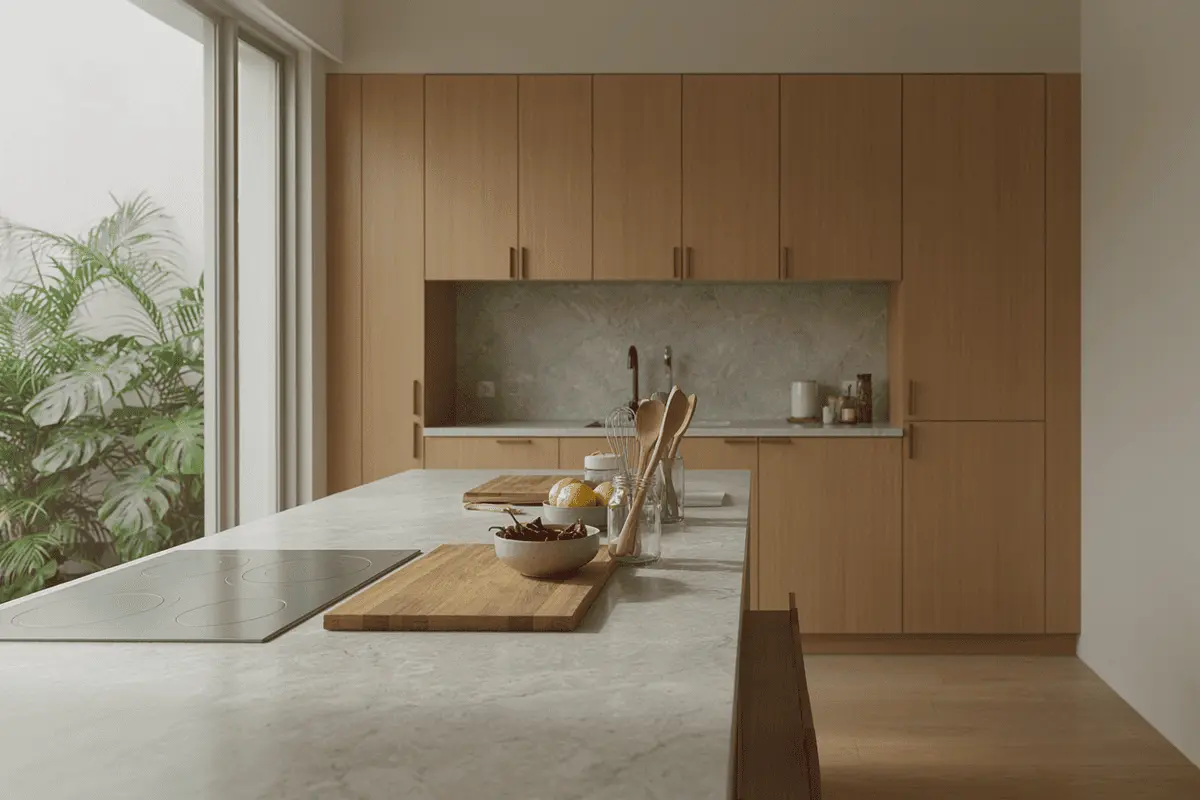
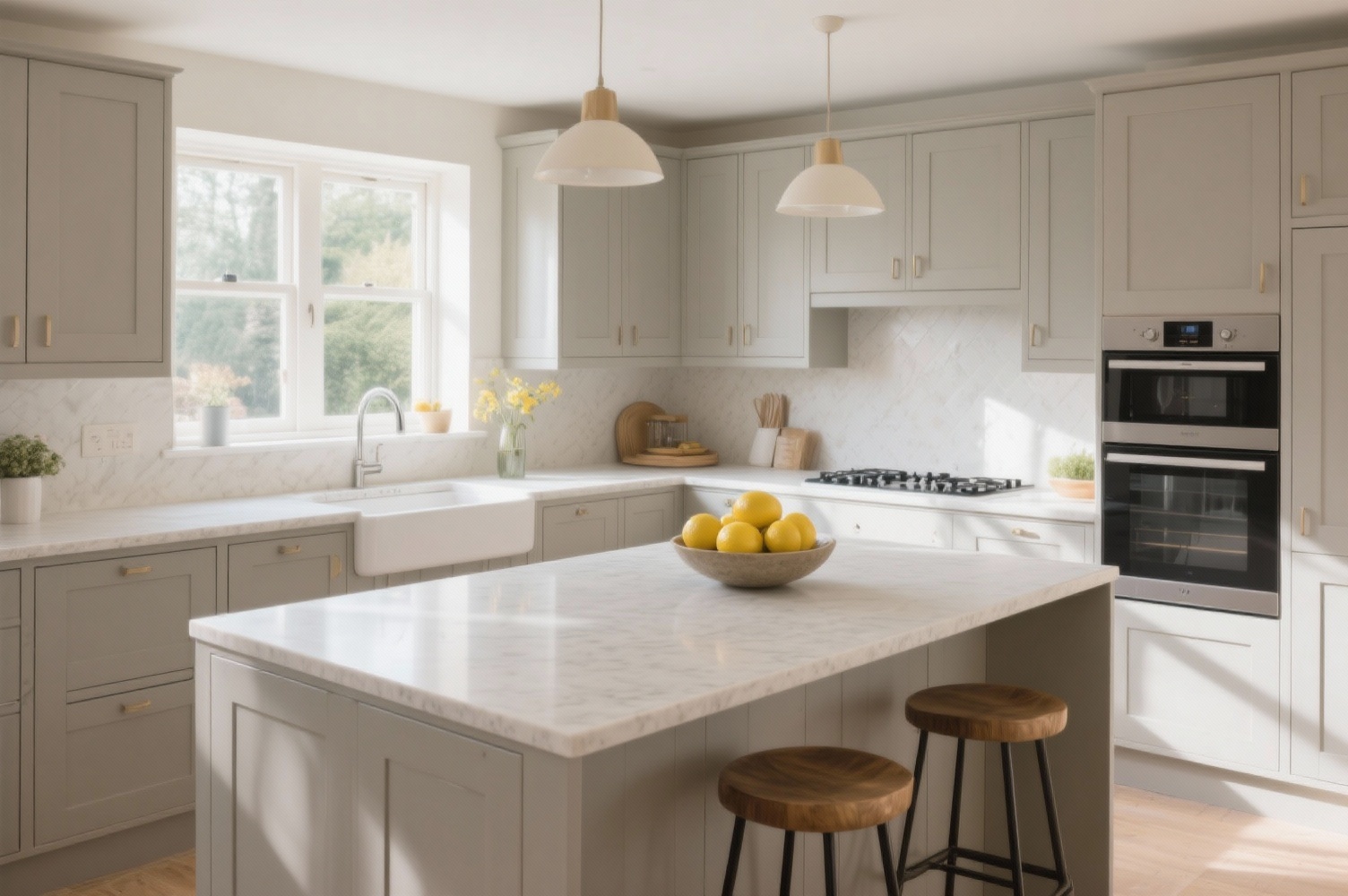
Design-wise, Luxora spans the quiet to the dramatic. If you like a bright kitchen, the warm whites and creams bounce light and make the space feel a bit larger. Pair them with oak cabinets and matte black handles, and you’ve got that warm-minimalist vibe that’s everywhere right now.

Prefer something moodier? Mid-grays and charcoal tones bring a modern, slightly industrial feel—very nice with brushed steel, darker woods, or concrete floors. And if you love marble but can’t stand worrying about stains, the bold veined styles deliver that sweeping movement without the anxiety. The key is to check undertones. Bring your cabinet door and flooring sample to the showroom, place them against the slab, and look at everything in natural daylight. You’ll catch clashes (blue-grey vs. yellow-beige) immediately.

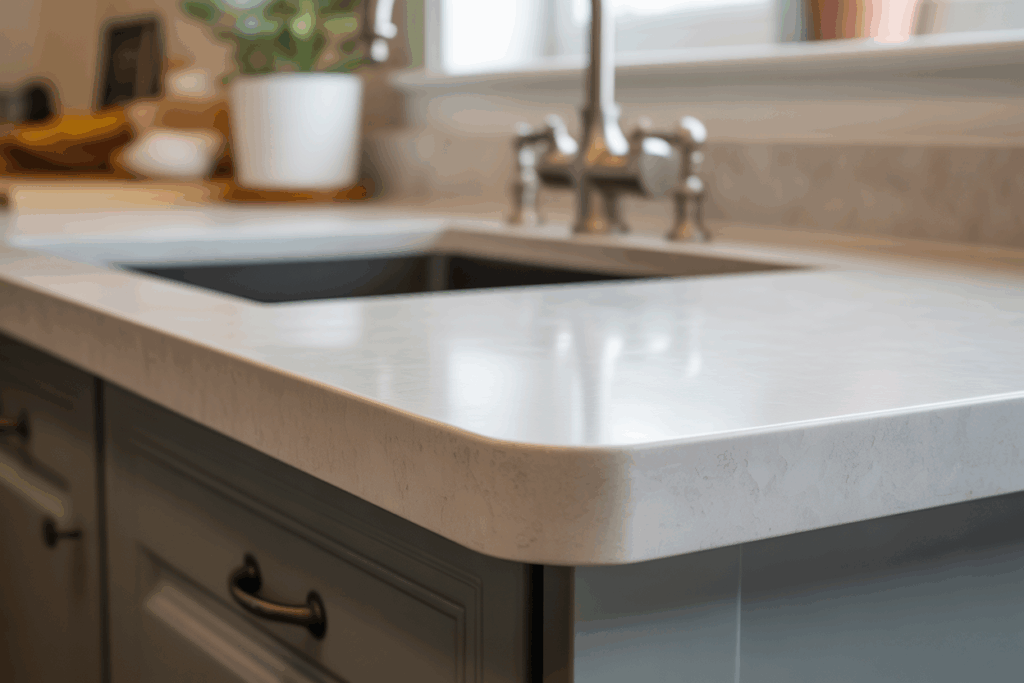
Close-up macro of Luxora Quartz countertop rounded eased edge, subtle speckling, easy-clean surface; brushed nickel tap, soft side lighting, high detail, true-to-life material render.

Where It Works Best (And Why)

Kitchens that see real cooking

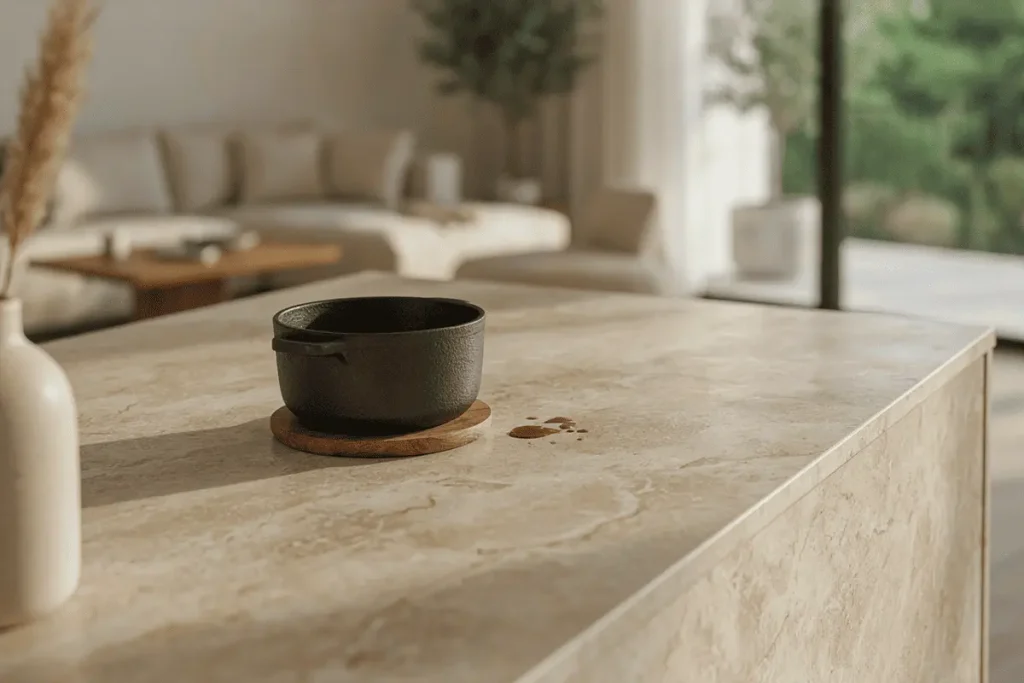
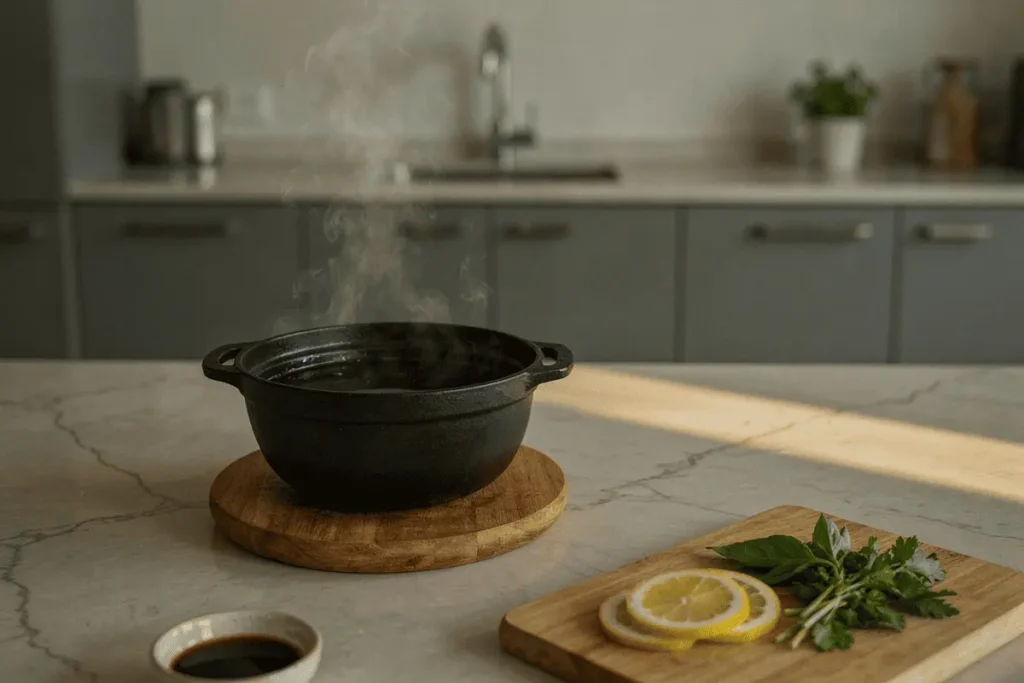
Luxora Quartz is right at home next to the stove and sink. It’s not scared of daily chopping or quick clean-ups. Just respect heat: set down a trivet before parking a sizzling pot. Thermal shock is the one thing no engineered stone enjoys.

Bathrooms that need to stay fresh

Hair dye, toothpaste, skincare acids—wipe and go. No sealing, no drama. Choose a matte finish if you want fewer visible smudges; pick polished if you like that bright, reflective look.

Splashbacks and feature panels

Large quartz splashbacks are easier to clean than tile grout and look seamless behind a cooker. If your cooker throws serious heat, ask your fabricator about safe clearances and protection near the hob.

Utility areas

Pantry, laundry, coffee corners—anywhere you want a clean surface that doesn’t mind daily traffic.

Living With It: Real-World Care

You don’t need a special kit. Mild dish soap and water handle most things. For a stubborn mark, use a non-abrasive cream cleaner with light pressure. Avoid strong solvents and harsh chemicals; if something questionable lands on the surface, rinse it off sooner rather than later. Use cutting boards (your knives will thank you) and keep trivets handy for hot trays straight from the oven.

Details That Make a Difference

Thickness changes the feel. A 20 mm slab looks sleek and modern; a 30 mm slab gives more presence on a big island. For edges, an eased straight edge is clean and safe. Pencil round softens the look just enough, and a small bevel adds a subtle shadow line that works well with shaker-style cabinets. Planning a long breakfast bar overhang? Ask about reinforcement, especially with thinner slabs.

Seams are part of life unless your island fits a single slab. A good fabricator will place joins where they’re least visible and align any veining so the flow feels intentional. Don’t be shy about asking to see photos of previous work—edges and seams reveal the installer’s skill.

How It Stacks Up Against Other Materials

If you adore authentic marble, consider this split: use marble in a guest powder room where it won’t see daily abuse, and pick Luxora Quartz for the kitchen where spills are guaranteed. Compared to porcelain slabs, quartz feels warmer and less “glass-like” to the touch; porcelain is a heat hero, but edges can chip if mistreated. For tight budgets, a simple quartz with subtle speckles or soft veining often costs less than dramatic marble-look patterns, yet gives you the same easy maintenance.

Cost, Timelines, and What to Check Before Ordering

Prices vary with color complexity, finish, thickness, and how tricky your layout is. Dramatic veining usually lands at the higher end. Before you confirm:

  • View the actual slab, not just a small sample. Veining scale matters.
  • Decide on a finish—polished for brightness, matte for a more forgiving, tactile feel.
  • Have the sink and hob on-site for templating day; accuracy here saves headaches later.
  • Clarify lead time and what the warranty covers (manufacturing defects, stain resistance, exclusions related to heat, etc.).
  • Confirm who’s doing the installation, and ask for seam and edge photos from past projects.

Small Style Notes That Go a Long Way

A pale quartz paired with warm lighting makes a kitchen feel welcoming at night. Try 3000–3500 K bulbs to avoid a cold, bluish cast on white tops. If you’re going for dark quartz, consider a thin, color-matched caulk against the wall so the perimeter looks neat. And if your cabinet run is long, break things up with a timber breakfast bar or a contrasting quartz on the island—same family, different tone.

Final Take

Luxora Quartz earns its keep by being good-looking and undemanding. It’s the surface that lets you cook, host, and live a little—without turning you into the countertop police. If your home is lively and your kitchen actually gets used, this is a smart, calm choice that still feels premium every time you set your cup down.

Timeless Luxury in Modern Form: Exploring Laminam Travertino Silver

No matter where they are used, certain materials have the unique potential to seem classic. Among them is Laminam Travertino Silver, a surface that combines the durability of contemporary innovation with the gentle grace of natural stone. It adds subtle sophistication to both modern and traditional settings with its silvery-grey hues and exquisite veining.

Inspired by Nature, Perfected by Design

Natural travertine has been a symbol of grace and durability for millennia. Its porous texture and soft tonal changes were highly valued by ancient builders, who used it in villas, bathhouses, and temples. Each line in its stratified structure denotes a period of geological change, telling the tale of time.

Laminam Travertino Silver honors that heritage while innovating its interpretation. The slab, which is made with sintered surface technology, simulates the beauty of travertine while enhancing its strength and consistency by compressing natural minerals under intense heat and pressure.

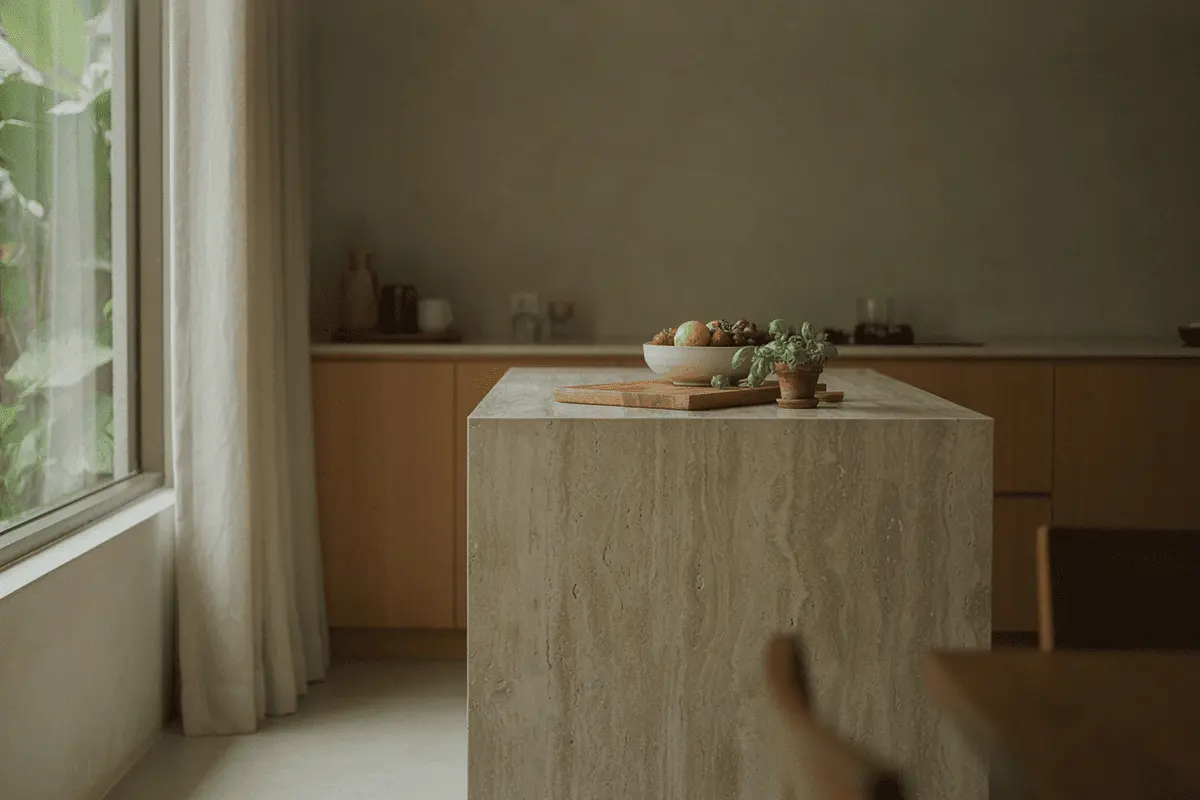
The end effect is a sophisticated design that mimics the depth of stone naturally while removing many of the flaws that conventional travertine has. Because of its cool, silvery-beige hues, it goes especially well with modern architecture, which combines warmth and minimalism. Travertino Silver creates a serene, grounded aesthetic that unites interiors with nature, whether it is utilized in a contemporary house, boutique hotel, or business lobby.

Built for Beauty and Performance

It has extraordinary strength beneath its serene exterior. Travertino Silver has remarkable resistance to wear, impact, and temperature fluctuations thanks to Laminam’s manufacturing method. This surface is non-porous, guaranteeing both beauty and functionality, in contrast to genuine travertine, which readily absorbs moisture and stains.

Key attributes include:

  • Scratch and Heat Resistance – Suitable for daily use in kitchens and heavy-traffic areas.
  • UV Stability – Maintains colour and texture under constant sunlight, ideal for indoor-outdoor designs.
  • Stain and Moisture Protection – No sealing required; liquids and oils remain on the surface for easy cleaning.
  • Eco-Conscious Production – Made using natural materials and sustainable manufacturing methods.

These qualities make Travertino Silver not just a design element but a long-term investment. It’s engineered to perform in modern spaces — where durability and elegance must coexist.

Versatile Elegance for Every Space

It is travertino Silver’s adaptability is one of its distinguishing features? Its smooth veining and neutral hues make it suitable for almost any application, elegantly fusing traditional and contemporary styles.

Kitchens: Travertino Silver adds refinement as a backsplash or countertop and is resistant to scratches, spills, and heat. Its silvery base looks well with dark metal fixtures, white cabinets, or natural wood.

Restrooms: It is ideal for calm, spa-like settings because of its gentle matte texture and resilience to moisture. Cover entire vanities or walls for a cohesive, calming look that is opulent and organic.

Living Spaces: The material adds a subtle focal point to feature walls, flooring, or fireplaces. Grout lines are reduced by its huge slab size and continuous patterning, which improves visual flow and space.

Outdoor Applications: Because of its UV and weather resistance, it can be used on building façades, terraces, and pool decks. The calm silver tones fit in perfectly with architectural materials and flora because they reflect natural light.

Modern architecture is characterized by smooth transitions between indoor and outdoor spaces, which Travertino Silver helps to achieve by bridging the gap between interior and outside design.

Texture, Tone, and Timeless Character

Every surface uses texture to tell a narrative. The design of Travertino Silver softens the layered depth and linear grain of real travertine to give it a more elegant, modern appearance. Its surface’s interaction of light and shadow gives any space a sense of dimension and silent movement.

Two main finishes further define its character:

  • Rain Finish – A gentle, tactile texture reminiscent of falling water. It creates a soft sheen and a subtle sense of motion, ideal for interiors that value calm and continuity.
  • Bush-Hammered Finish – A more pronounced surface that feels raw and natural. This version highlights the material’s stone origins, perfect for exterior cladding or spaces that embrace rugged elegance.

When combined, these finishes give homeowners and designers the freedom to select the ideal look and feel for any project, whether it be modern luxury, rustic, or minimalist.

Additionally, pairing is made simple by the neutral grey-silver color scheme. It blends well with white marble, black fixtures, warm woods, or even striking accents, so it can change with the times without losing its classic feel.

Effortless Care and Lasting Value

Travertino Silver is surprisingly simple to maintain, whereas natural stone necessitates sealing and constant attention. Its thick surface keeps out liquids, oils, and bacteria, guaranteeing long-term cleanliness and hygienic conditions. Its natural beauty can be restored with a simple wipe using water and mild detergent.

Its low maintenance requirements make it very desirable for both business projects and hectic homes. The slab retains its original color, texture, and tactile feel even after years of use. It’s a surface that strikes a balance between dependability and aesthetics, not simply for show.

In many respects, Travertino Silver is the next step forward for natural stone, retaining its qualities while improving its functionality for the future.

Discover Its True Character Up Close

Laminam Travertino Silver reimagines what a surface can be: natural yet constructed, elegant yet durable. It communicates in the language of understated elegance, the kind that makes an impact without shouting.

Travertino Silver adds balance, harmony, and classic elegance to any location, whether it is used in the living room, kitchen, bathroom, or even an outdoor façade. It is a reflection of sophisticated taste and contemporary durability rather than merely a decorative finish.

This elegance is realized at Polybuilding through the use of thoughtfully chosen materials that honor durability and design. Every slab, including Travertino Silver, narrates a tale of artistry and skill.

So, if you could transform your space into something that feels both calm and captivating, wouldn’t you want to start with a surface that truly speaks your style?

Beautiful, practical, and effortlessly graceful—that’s the lasting charm of Laminam Travertino Silver.

What Tile Materials Are Pet-Friendly?

A Guide for Singapore Homes with Fur Babies

If you’ve got pets at home—be it a clingy cat, a blur-blur golden retriever, or even a playful rabbit—you’ll know they’re not just animals. They’re family.

When you have pets in your home, you may have to deal with more cleaning, the odd mess, and perhaps some scratches on your furniture or floors. It’s important to think about what kind of tile can withstand daily living with pets, whether you’re remodeling your home or replacing your flooring.

Living in Singapore, we’ve got hot weather, regular rain, and small space layouts to think about. Add a couple of zooming pets to the mix, and suddenly your floor choice really matters. Let’s break down what kind of tiles work best in a pet-friendly home—the ones that can stand the fur, the scratching, and the accidents and still look good.

Why Tile Is a Pet Owner’s Best Friend

There are plenty of flooring options these days—laminate, vinyl, wood, even carpet (though less common here). But tile remains one of the top choices for pet owners in Singapore, and for good reasons:

  • Cooling: In our tropical climate, tiles stay naturally cool, which your pets will love. If you’ve ever seen your cat sprawled out like a pancake on the living room floor, you’ll know what I mean.
  • Easy to clean: Vomit, furballs, muddy paws—no issue. Just wipe, mop, done.
  • Hygienic: Tiles don’t absorb smells or bacteria like carpet or wood might.
  • Scratch-resistant: Especially if you go for the right tile type, you won’t see ugly scratch marks after a few months.

So the question isn’t whether to use tiles—it’s which kind of tiles are most suitable?

1. Porcelain Tiles—Reliable and Durable

Porcelain tiles are one of the strongest and most durable tile materials you can get. They’re denser than regular ceramic tiles and more resistant to water and scratching.

Good for:

  • Homes with big dogs or multiple pets
  • Areas like the living room, kitchen, and pet play zones
  • Long-term durability without much upkeep

Pro tip: Go for matte or textured finishes. Glossy tiles may look fancy but are too slippery—especially if your dog loves to run to the door every time the doorbell rings.

Also, porcelain tiles now come in so many designs—stone-look, wood-look, even terrazzo-style. So you don’t have to choose between function and looks.

2. Ceramic Tiles—Affordable and Fuss-Free

Another popular choice is ceramic tiles, which are marginally less expensive than porcelain. They are readily available in most tile stores and are available in a wide variety of patterns, hues, and dimensions.

Good for:

  • Smaller spaces like bathrooms or bedrooms
  • Budget-conscious reno projects
  • Light to medium pet activity

Just make sure the tiles are not too smooth. Some cheaper ceramic tiles have a very shiny finish that can become slippery — not ideal if your pet is older or a bit clumsy.

Also, ceramic is slightly more prone to chipping compared to porcelain, so maybe avoid it in high-traffic pet areas.

3. Vinyl Tiles – Soft, Quiet, but Choose Carefully

Luxury Vinyl Tiles (LVT) are getting more popular in newer condos and BTOs. They’re softer underfoot, less noisy, and feel warmer than stone or tile.

Good for:

  • Homes with older pets who have joint issues
  • Those who want something softer and more cushioned
  • Bedrooms or areas where pets sleep a lot

However, not all vinyl is impervious to pets. Some can rip or distort over time, while others—especially the less expensive ones—are waterproof and scratch-resistant. Make sure the vinyl is of good quality and suitable for pets if you decide to use it.

4. Stone-Look Porcelain—Stylish Yet Practical

Although natural stone, such as granite or marble, is aesthetically pleasing, it requires a lot of maintenance. It requires frequent sealing and is prone to stains and scratches.

That’s why more people are going for stone-look porcelain tiles. You get the high-end marble aesthetic but with the durability and low maintenance of porcelain.

Good for:

  • Pet owners who also want a stylish interior
  • Homes with open-concept kitchens/living spaces
  • Long-term practicality

This option is great for balancing looks and function. You won’t be panicking every time your pet runs in with dirty paws.

What to Avoid for Pet-Friendly Homes

Some flooring types just don’t work well with pets, especially in a humid place like Singapore.

Here’s what to avoid:

  • High-gloss tiles— It looks pretty in the showroom but is super slippery. Not safe for pets (or humans).
  • Unsealed natural stone— Absorbs stains like a sponge. A single pee accident and your floor is marked for life.
  • Heavily textured or rough tiles— Traps fur and dust and is difficult to mop properly.
  • Very light or very dark colors—shows everything. Go for mid-tones or speckled designs to help disguise fur between cleanings.

Other Small Tips for Pet Owners

Even with the right tiles, you can make life easier with a few extra touches:

  • Put mats or rugs under water bowls to catch drips and spills
  • Place a washable rug or pet bed in your pet’s favourite chill spot—saves your tiles from fur buildup
  • Trim nails regularly so they don’t click too loudly or scratch surfaces
  • Use pet-safe cleaning products—harsh chemicals can irritate paws or cause allergies

Also, if you’re training a new puppy or kitten, tiles make cleanup easier and reduce the stress of accidents during potty training.

Singapore Homes = Special Needs

Living in Singapore, we often deal with compact spaces, open kitchens, and pets who stay indoors most of the time. That’s why your flooring matters even more—it needs to be hardworking, low maintenance, and still fit your design style.

The good news? You can totally have both. Tiles today are not like last time—boring and plain. Now you can get really nice designs, textured finishes, and even tile planks that look like wood. At Polybuilding, you’ll find a good variety of tile options that balance beauty and practicality—whether you’re doing a full reno or just upgrading your pet playroom.

Final Thoughts

Your pets bring you love, laughter, and the occasional chewed-up slipper. The least we can do is make our homes comfortable and safe for them too.

Choosing the right tile isn’t just about style—it’s about everyday living. The fur, the mess, the zoomies—it’s all part of life with pets. So if you’re planning your next reno, keep your fur baby in mind. Explore our tile options and get flooring that works for both of you.

Reach out to us to find the perfect pet-friendly tiles.

Best Tile Choices for Small Spaces: What Works in Singapore Homes

Small Space, Big Style

Let’s be real—living in Singapore means you learn to live with less space. We make do with what we have, right? Whether it’s a 4-room BTO in Tengah or a studio condo near Redhill, small space is the name of the game. But here’s where things get interesting. You can’t change your floor plan, but you can change how your space feels. And one of the easiest ways to do that? Your choice of tiles.

Don’t Just Go White. Go Warm Light.

We always hear that light colors make a room feel bigger. Indeed it’s true. But in Singapore, pure white can look too harsh—especially under our afternoon sun or LED lights.

What works better? Off-white, light beige, even a dusty taupe. These colors reflect light, but they don’t glare. Especially in bathrooms and kitchens, that softer tone makes a big difference. Some homeowners are going for light marble textures—not the super shiny kind, but the ones with soft veins. It adds that atas feel, but still calm and clean. You can find these at Polybuilding—their range includes a lot of natural-looking tones that feel right at home here.

Big Tiles, Small Space? Actually, Yes.

You’d think big tiles don’t make sense in small flats. But here’s the trick—less grout means fewer lines, and that makes the floor feel more seamless.

A 60×60 cm tile can make your living room flow better. If your tiler can handle it, 60×120 cm works even better for open kitchen layouts. Just make sure the floor is level, or the lippage (that uneven edge thing) will spoil the look.

Also, use the same tile across different zones if possible. Living, dining, even kitchen—no need to chop things up unless you really want to.

Vertical Layouts = Taller Feel

Ceiling a bit low? Vertical lines help. Lay your wall tiles upright instead of sideways. This draws the eyes upwards and makes your walls look taller.

This trick works especially well in toilets. Try vertical subway tiles or slim stone strips. You don’t need to go full feature wall—just that little adjustment makes a difference.

Some designers are also using fluted tiles as bathroom accents. Not cheap, but shiok when done right.

Want Warmth? Wood-Look Tiles Are Your Friend

Timber flooring looks nice but is not always practical. With our weather—rain, sun, then rain again—maintenance can be a pain.

Wood-look tiles solve that. You get the look without the worry. Even for small bedrooms or hallways, they add a soft, warm touch. Choose mid-tone browns, not too dark—keeps the space from feeling heavy.

Some people even lay them in a herringbone pattern for that boutique hotel vibe.

Same-Same, Not Boring

Don’t go crazy with five different tiles in one house. Especially in a small unit, too many styles can feel messy.

Instead, pick a base tile and stick to it across zones. You can switch it up slightly—matte for floors, glossy for walls—but keep the color tone consistent.

That harmony makes the home feel bigger, calmer, and more cohesive.

Pattern Tiles: Use Sparingly, Like Sambal

Patterned tiles are like sambal—just enough can really bring the dish (or space) to life. Too much, and your mouth (or eyes) cannot tahan.

Use them as accents:

  • A backsplash
  • Toilet niche
  • Entryway corner

Terrazzo and Peranakan patterns are still popular here. Just don’t go full wall unless you really want a statement look.

Don’t Forget About Safety, Especially for Family Homes

If you’ve got small kids or elderly folks at home, this part’s important. Anti-slip tiles are not just for bathrooms. Think service yards, balconies, even kitchen floors. Look for tiles with an R10 rating or higher. Textured but still nice to walk on. At Polybuilding, the staff can guide you on which ones work best depending on the area and foot traffic.

Glossy Tiles Brighten Up, But Be Careful Where

Glossy finishes are great on walls. They reflect light, so small spaces don’t feel so boxed in. Kitchen backsplashes, bathroom walls—this is where glossy tiles shine (literally).

But for floors? Better stick to matte or satin finishes. Especially in toilets and wet kitchens. The last thing you want is to slip in the middle of the night.

Some matte tiles now have a very subtle sheen—the best of both worlds, honestly. And they hide footprints better too. Important if your house has kids or just… a lot of traffic.

Before You Buy, Go See In Person

Photos are one thing. But tiles look different in real life—especially under different lights. Some might look warm online but turn greyish in your living room.

Take home samples. Put them next to your wall paint or cabinets. Step on them, touch them. See how they look at 8am in the sun and at 10pm under warm lights.

Don’t rush. Renovation is expensive. Tiles are not easy to change once done.

Wrapping Up

Small homes in Singapore don’t have to feel cramped. With the right tiles—in the right colors, size, and finish—you can totally transform your space.

Focus on consistency, subtle textures, and long-term practicality. You’ll be surprised how much of a difference it makes. Not just for looks, but how you feel in the space every day. If you’re unsure where to start, just head over to Polybuilding—their team really knows their stuff, and you can see (and touch) everything before making any big decisions.

A Guide to Matching Tiles With Wood, Stone, and Other Natural Elements

Keep It Natural, Not Messy

So you’re renovating. Maybe it’s your first home, maybe you’re giving the old place a facelift. Either way, at some point you’ll hit this common headache: how to mix tiles with wood, stone, and all those natural finishes you love.

You walk through showrooms, scroll Pinterest, flip through renovation forums. But still… you squint at the samples and ask yourself: “Does this go with that?”

We get it. In Singapore, where homes are compact and humid, and every square foot counts, mixing materials isn’t just about looks. It’s about making sure everything feels cohesive — and tahan.

Here’s a local, no-fluff guide to getting your tile-and-natural-material combo right.

Don’t Try Too Hard to “Match”

First thing first — forget the idea that everything needs to “match”. If you’ve got timber floors, you don’t need your wall tiles to be the exact same brown. In fact, that can make things look a bit… flat. Too uniform.

Instead, go for complement, not copy.

For example:

  • Light oak flooring? Try warm-grey or sand-coloured tiles to bring out contrast.
  • Dark walnut cabinets? Balance with cream or off-white tiles to lighten the space.

In Singapore flats where natural light isn’t always the best, this kind of contrast adds depth. Makes the space feel more layered.

Textures Are Your Best Friend

One thing many people overlook: texture.

Here in Singapore, with our heat and humidity, you don’t just want things to look nice — you want them to feel right. Smooth-on-smooth surfaces can look sterile, especially under our warm lights.

So think about mixing things up:

  • Got matte timber panels? Pair with slightly glossy tiles for contrast.
  • Stone-look tiles with a bit of grit? Balance with smooth laminate or woodgrain.

And if you’re doing up a bathroom, especially in an HDB, textured tiles can help prevent slips too. Style plus safety — win-win.

Always Check the Undertones

Now this one catches a lot of people.

You think you’re buying a “neutral” tile, but under your actual home lighting, it starts looking oddly yellowish. Or pinkish. Or green.

That’s because of undertones — and in Singapore’s lighting (especially if you’re using warm LED bulbs), they really show up.

So when you’re mixing natural materials:

  • Wood with yellow undertones? Stick to tiles with warm, earthy bases — not blue-grey.
  • Marble with cool undertones? Avoid reddish or orangey timbers.

Bring samples home. View them in daylight and under your night lighting before you commit. Better to be extra fussy now than regret for the next 10 years.

Use Tiles to “Frame” Your Natural Elements

If you’re using a standout natural material — like a real wood dining table, stone feature wall, or even rattan doors — let it shine.

Your tiles shouldn’t compete. They should frame.

Think of it like this:

  • A bold stone vanity? Keep your wall tiles clean and simple.
  • Got a nice teak TV console? Use muted flooring tiles so the wood doesn’t get “lost”.

Too many competing textures or colours in a small Singaporean space = visual chaos. A bit of restraint goes a long way.

Indoor to Outdoor — Keep It Flowing

A lot of us love having that little balcony space, even if it’s tiny. If you’re lucky enough to have one, think about how your indoor flooring connects to the outdoor.

Use wood-look tiles inside and timber decking outside? Great. Make sure the tones are cousins, not strangers.

Even better — some tiles are rated for both indoor and outdoor use. That way, you can run the same tile from your living room out to your balcony, making everything feel more open.

Just make sure it’s slip-resistant. Balcony accidents aren’t fun, especially after rain.

Practical > Pretty (Sometimes)

Sure, we all want the showroom look. But be honest — are you going to mop every two days? Will your kids spill stuff? Do you cook often?

Real wood is gorgeous. But in a wet kitchen or bathroom? High maintenance. Natural stone is classy, but it can stain or etch if not sealed well.

If you love the look but not the upkeep, consider:

  • Wood-look porcelain tiles (they’ve come a long way!)
  • Marble-look or travertine-look tiles — easier to clean, just as elegant

Singapore homes are built for living, not just looking nice in photos. Don’t let high maintenance finishes stress you out.

Some Singapore-Specific Considerations

Just a few extra local notes worth mentioning:

  • Space is tight, so lighter tones can help open things up. But too much white can feel cold — mix in warm wood or stone accents.
  • Air-con and humidity can mess with some natural materials. Always check with your supplier about long-term performance.

Renovation permits: If you’re in an HDB, remember not all stone tiles are allowed on walls (because of weight). Always check the guidelines before buying.

Final Word: Don’t Be Afraid to Ask

At the end of the day, this is your space. Your home. No one else is going to live in it but you (and maybe your mother-in-law if you’re lucky).

So if you’re unsure about how to match things up — go to a proper tile supplier. Ask questions. Bring your samples. Look at them under proper lighting. And don’t be shy about mixing materials — just do it with intention.

If you’re still piecing things together or not quite sure what works with what, feel free to swing by our showroom or drop us a message. At Polybuilding, we’re always happy to chat, show you around, and help you find something that fits — no pressure, just good advice and plenty of samples to explore. Good design isn’t about following rules — it’s about creating a space that feels like you.

What’s the Best Way to Care for Marble in Humid Weather?

Keeping Your Cool (and Your Marble’s Shine) in Sticky Weather

If you live somewhere with a lot of humidity—hello, foggy mirrors and sticky mornings—you are already aware of how sneaky moisture can be. It’s much more important to pay care if your house has marble surfaces. Marble is lovely, but when it gets wet, it requires a lot of maintenance.

So, when the air feels like soup, how do you keep your marble looking beautiful (and not stained)? This is a stress-free guide to marble maintenance in humid climates.

Why Humidity and Marble Aren’t BFFs

Let’s start by stating that marble is permeable. In other words, if marble is not well covered, it can absorb water, oils, and stains. When humid, this may result in:

  • Discoloration or dark patches
  • Etching: the dulling of the surface
  • Mold or mildew, particularly in restrooms
  • Cracking or warping if the basal layers are impacted by moisture

The good news? A few wise behaviors can make a big difference.

1. Seal It Regularly

Without a doubt, the most crucial step in humid environments is sealing your marble. An effective sealer creates a barrier of defense that keeps dirt and water out of the stone.

What to do:
  • Apply a stone-safe, penetrating sealant.
  • Reseal every 6 to 12 months
  • To be safe, test on a tiny area first.

It’s probably time to seal your marble if you can’t recall when you last did it.

2. Wipe It Down When It’s Damp

Humid air can leave a thin film of moisture on surfaces that don’t appear wet. If you see condensation, wipe it off quickly with a soft, dry cloth, especially on windowsills or bathroom counters.

Why even bother?
  • Stops moisture from penetrating
  • Prevents dull marks and water stains
  • Prevents the growth of mildew in corners

You can avoid a weekend scrubbing session only with a 10-second wipe.

3. Boost Ventilation

Maintaining adequate ventilation prevents moisture from seeping into your marble and bonus- it gives your house a more energizing scent.

Try this:
  • Utilize exhaust fans in kitchens and bathrooms.
  • When the weather allows, keep the windows open.
  • Use a dehumidifier in damp places.
  • To promote airflow, keep doors slightly open.

Even a small fan can make a big difference in preventing that sticky, stagnant air.

4. Use Marble-Safe Cleaners

We understand the popularity of DIY natural cleaners. However, marble reacts poorly to acidic substances like lemon or vinegar. In fact, they have the potential to leave dull patches and harm the surface.

Stick to:
  • pH-neutral stone cleaners
  • Mild dish soap mixed with water
  • Soft cloths or sponges (no scouring pads!)

Check the label whenever you’re unsure. Don’t take a chance if it doesn’t indicate “safe for marble.”

5. Use Mats and Rugs Wisely

Marble flooring in bathrooms, entryways, and next to windows is particularly susceptible to moisture damage, particularly during rainy seasons.

Simple ways to protect your stone:
  • Place absorbent mats at entrances.
  • Make use of permeable carpets; stay away from rubber backings that retain moisture.
  • In the bathroom, switch to quick-drying bath mats.

In addition to keeping your marble dry, mats also lessen wear and tear in places that get a lot of usage.

6. Watch for Mold and Mildew

Steamy kitchens and humid restrooms can attract mold and mildew, two undesirable visitors. They prefer to hide beneath fixtures, in corners, and in grout lines, particularly in areas with inadequate ventilation.

Stay ahead by:
  • Keep ahead by routinely inspecting the grout and seams.
  • Using mold removers safe for marble
  • Cleaning small spots early before they spread

Catching it early = easy fix. Letting it fester = major headache.

So, Is Marble Worth It in Humid Weather?

Absolutely—if you don’t mind a little maintenance. Marble is not a deal breaker in humid conditions. All you have to do is be proactive:

  • Regularly seal it.
  • Maintain dry surfaces.
  • Use the right cleaning supplies.
  • Keep the ventilation adequate.

If you’re the kind of person who already wipes down your counters and stays on top of household chores, marble care will feel like second nature.

Final Thoughts

Marble is a material that breathes. Heat, moisture, and even the things you use can cause it to respond. Even when the air outdoors seems like a steam room, you may maintain its crisp appearance with a few easy routines.

Therefore, don’t let the weather deter you. Your marble will appreciate years of smooth, luxurious beauty if you give it a little care.